Roosters and Hens
Rooster and hen behavior is something you really begin to understand once you spend time watching a flock day after day. There is a rhythm to it.
At the center of it is the rooster’s role. A good rooster is not just there to mate. He is there to manage, protect, and provide. He keeps watch over the flock, sounding alarms when something is off. He breaks up tension between birds. He finds food and calls the hens over with a specific clucking sound that means “come eat.” When you see a rooster pick up a worm and drop it for a hen instead of eating it himself, that is part of his courtship behavior.
Hens respond to this attention in different ways. Some are more independent. Some are more receptive. When a rooster favors a particular hen, you will see it clearly. He will stay closer to her, feed her more often, and attempt to mate with her more frequently than the others.
Mating itself is quick and direct. The rooster mounts the hen, balances with his feet, and makes contact through what is called a cloacal kiss. There is no prolonged process. It is instinctive and efficient. In a balanced flock, this happens without much disruption.
Problems can arise when one hen becomes the focus of too much attention. Repeated mating can wear down feathers on her back and sides. Over time, this can lead to bare patches and even skin irritation. This is especially common in smaller flocks or when there are too few hens for the number of roosters.
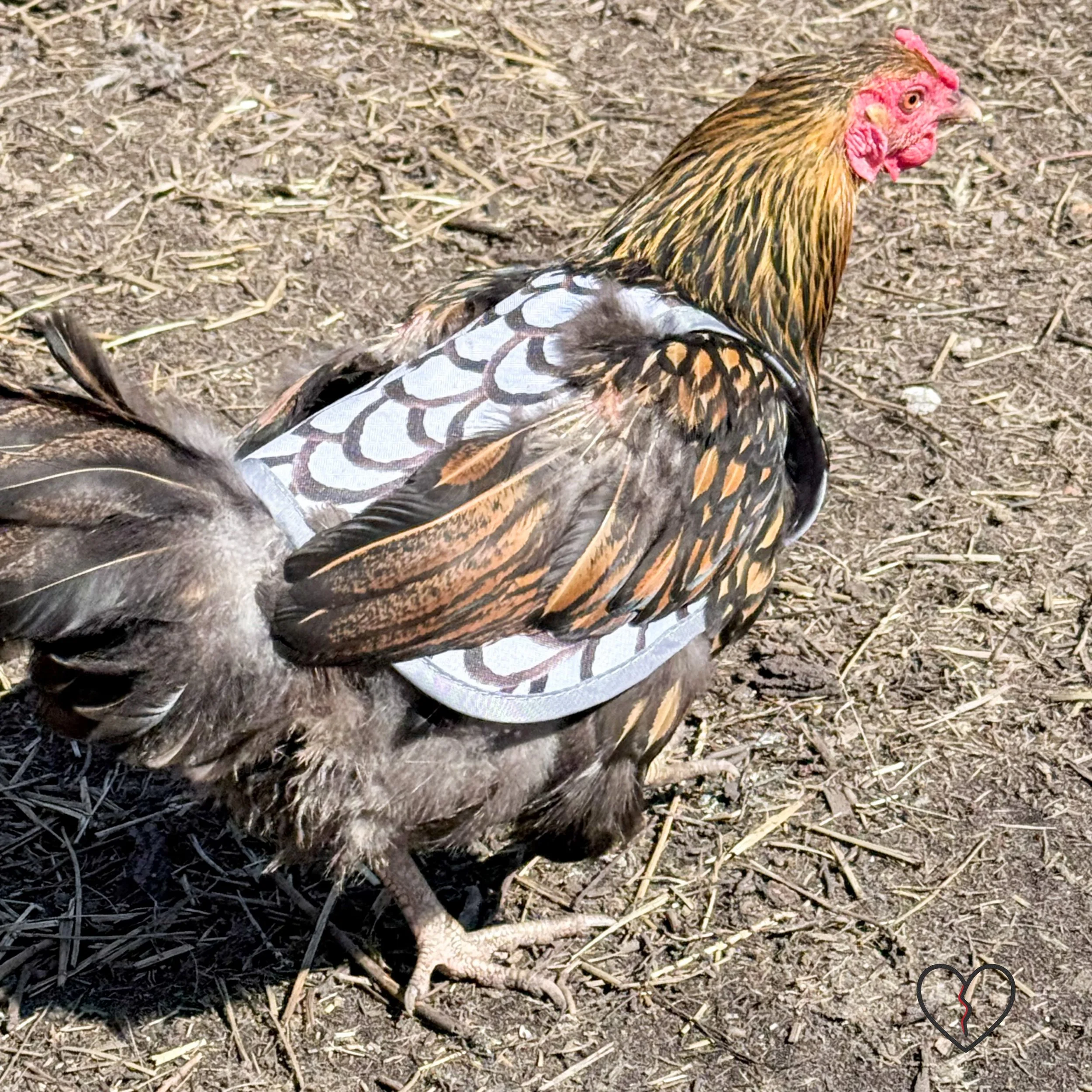
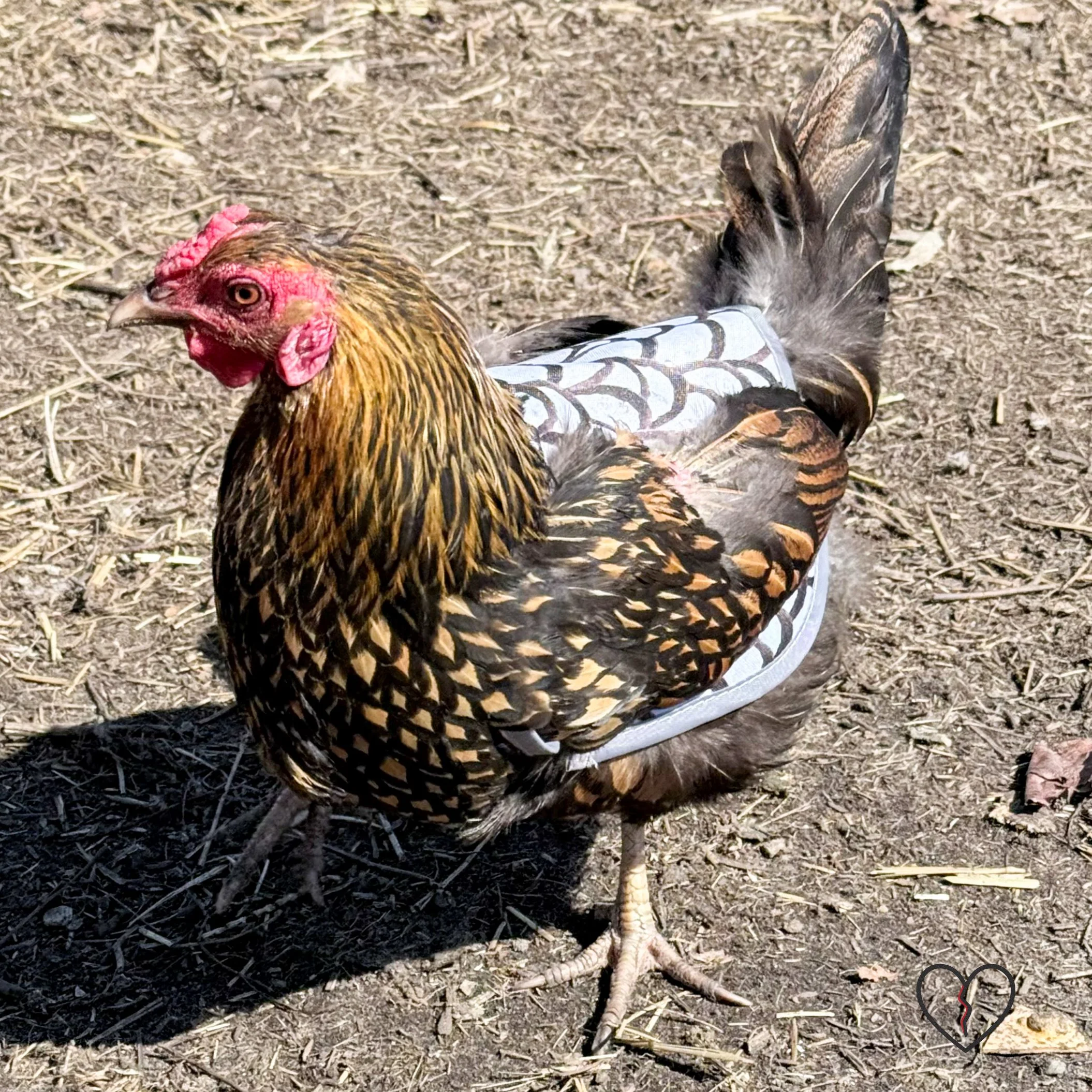
This is where management tools like chicken saddles come in. A chicken saddle is a simple protective covering that sits over the hen’s back and wings. It creates a barrier between her feathers and the rooster’s feet and spurs. It does not stop the rooster from attempting to mate, but it reduces the physical impact and allows the hen time to regrow her feathers.
Flock balance also matters. A common guideline is one rooster for every eight to twelve hens. This spreads out his attention and reduces stress on any single bird. In smaller backyard setups, even one rooster with a handful of hens can lead to overmating if his drive is high.
There is also a social hierarchy at play. Chickens live within a pecking order. Every bird knows its place. The rooster sits at the top, followed by dominant hens, down to the most submissive. This order determines access to food, nesting spaces, and even who gets the rooster’s attention first.
Seasonal changes affect behavior as well. In spring, as daylight increases, hormones rise. Roosters become more active, more vocal, and more focused on mating. Hens may lay more consistently, and flock dynamics can shift slightly with the change in energy.
Watching these patterns unfold is part of the experience of keeping chickens. It becomes less about managing animals and more about understanding a living system. You start to recognize personalities, preferences, and subtle shifts in behavior that tell you what the flock needs.
In the case of a hen like Lacey, a simple adjustment like adding a saddle can make all the difference. It allows her to stay within the natural structure of the flock while protecting her body. It supports both her health and the ongoing balance of the group.