
How Roosters Attract Hens in Spring
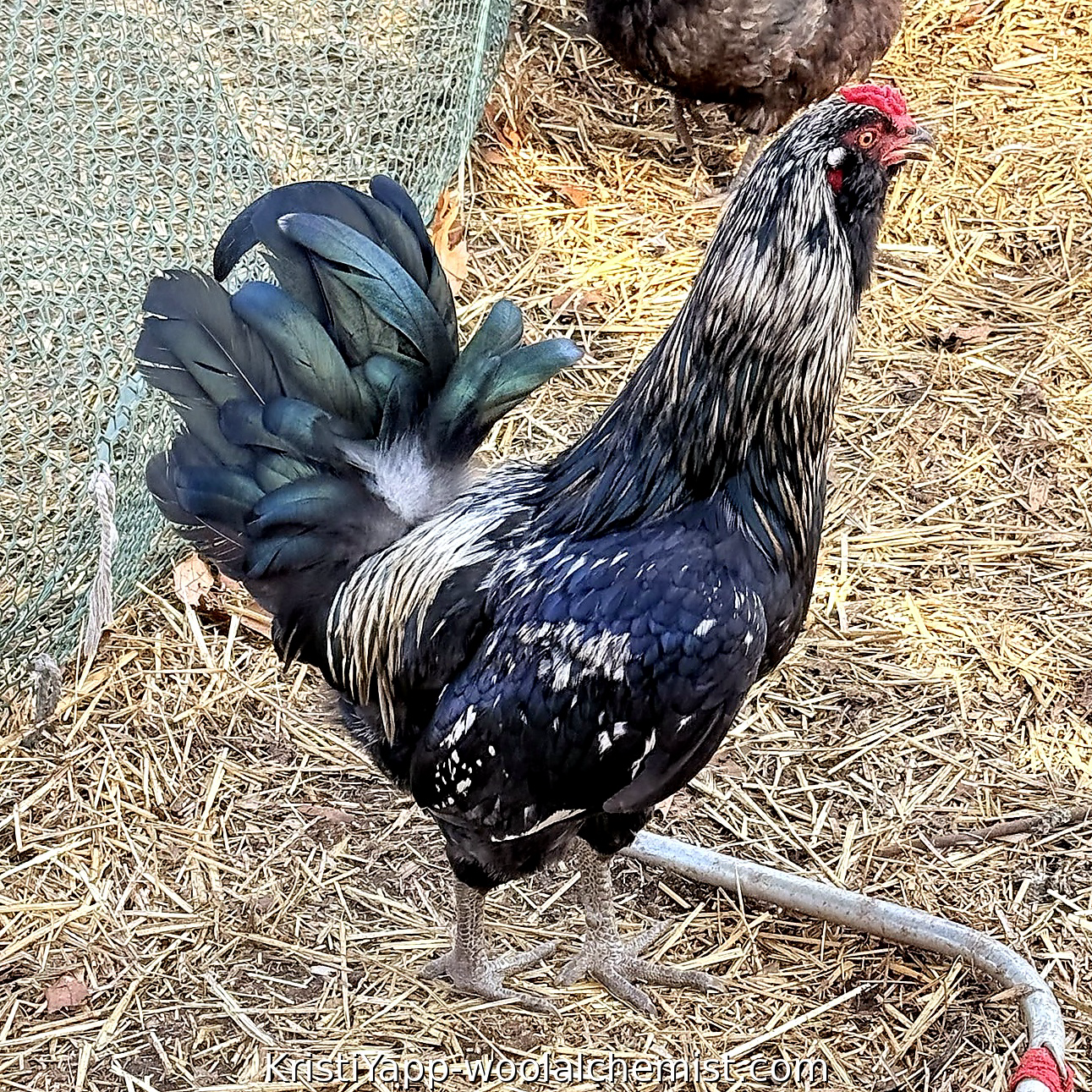
Good news! Bunny the rooster has started attracting some ladies.
Out in the chicken yard, spring brings a shift you can see and hear. The flock does not move as one group anymore. It begins to break into smaller circles, each centered around a rooster. These groups form slowly through repeated behavior.
Roosters rely on attention, consistency, and food. One of the most common behaviors is called tidbitting. A rooster finds something good to eat, picks it up, and makes a distinct sound while dropping it repeatedly. This signals to the hens that he has found something worth sharing.
Hens watch this closely over time. They observe whether a rooster finds food often, whether he shares it, and whether he stays aware of his surroundings. A rooster that provides and remains alert will begin to gather hens around him.
This is what Bunny is beginning to learn.
At first, younger roosters tend to chase hens. This usually pushes the hens away. Over time, they learn that offering food creates a different response. When I toss out sprouted lentils and live mealworms, I can see this shift happen. Bunny has started to pick up the food, drop it, and signal to the hens instead of chasing them. The hens respond to that behavior.
There is also a physical display that happens. When a rooster puffs up his neck feathers and shifts his posture, he is showing readiness to mate. The hens notice this, but they do not always accept. Early on, they are often more interested in the food and in observing his behavior.
Ginger Spice is growing into his role. He has formed a small group and stays close to them. He continues to offer food and keeps track of where his hens are. This consistency helps establish his place in the flock.
Mating depends on the hen’s response. A rooster may attempt to mount, but the hen must accept. If she is receptive, she will lower her body. If she is not, she will move away. This process is built on repeated interaction and choice.
Spring brings longer days and increased activity. The flock becomes more structured, and each bird settles into a role. What looks simple on the surface is a system shaped by behavior, timing, and response.
